


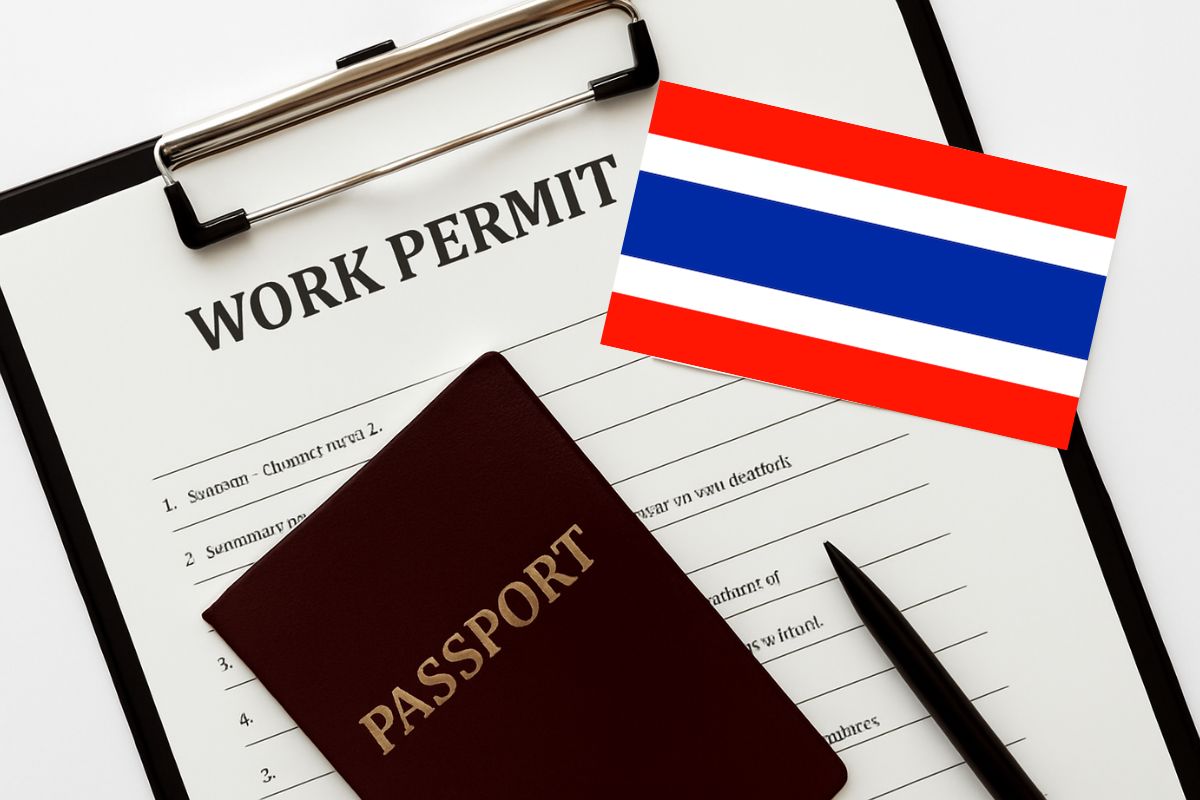
The manual work permit application deadline in Thailand has been extended to July 28, 2026. Here’s who can file offline, the new TIESC guidelines, and what it signifies for workers.
For those seeking a work permit in Thailand, there’s a notable update that might lessen your burden and expedite the process. The Department of Employment in Thailand has postponed the deadline for manual applications for work permits.
Manual Submissions Permitted Until July 28, 2026
The revised deadline is July 28, 2026. Up until this date, Thailand permits manual submissions for work permit applications. This includes every category of work permit requests such as:
- Initial applications
- Extensions
- Terminations
- Modifications
However, there’s a stipulation. Manual submissions are not the primary method.
You may only apply manually if there is a problem with the e-Work Permit system. It is essential to provide evidence of that issue when you submit your application.
Digital System Remains the Preferred Option
Thailand has been directing the majority of applicants to utilize its online system. Unless there is a technical fault, applicants are expected to proceed through the e-Work Permit platform for their submissions.
Manual filing should primarily be viewed as a contingency, not a standard approach.
Updates Regarding TIESC Regulations
Last year, the Thailand Investment and Expat Services Centre (TIESC) revised the application process for work permits submitted by companies. Here’s the current procedure:
1) Firms Utilizing the Rapid Process
Certain firms qualify for an expedited option known as the Rapid Process. If they meet the criteria, they now have two ways to submit:
- File applications through the e-Work Permit system online, or
- File them manually without the need for a system error screenshot
This marks a significant adjustment. Previously, even companies in this category were required to provide proof of system errors.
2) Companies Not Eligible for the Rapid Process
not qualify for the Rapid Process:
- They are obligated to continue using manual submissions.
- And adhere to the standard protocols established by the authorities.
Implications for Foreign Workers and Employers
In practical terms, there hasn’t been a significant change for typical applicants.
- The online platform remains the primary method
- Manual applications remain limited
- The extension allows for more exceptions
For businesses participating in TIESC’s Rapid Process, the regulations are now more accommodating, potentially accelerating the process.
Conclusion
Thailand continues to progress towards a completely digital work permit system. The extended deadline serves merely as a contingency for technical difficulties, not a return to manual processes.
If you’re considering working in Thailand, it’s advisable to prioritize the online system and regard manual submission as a last resort.

Manish Khandelwal
Articles: 8120
Fonte: Travelo Biz
