


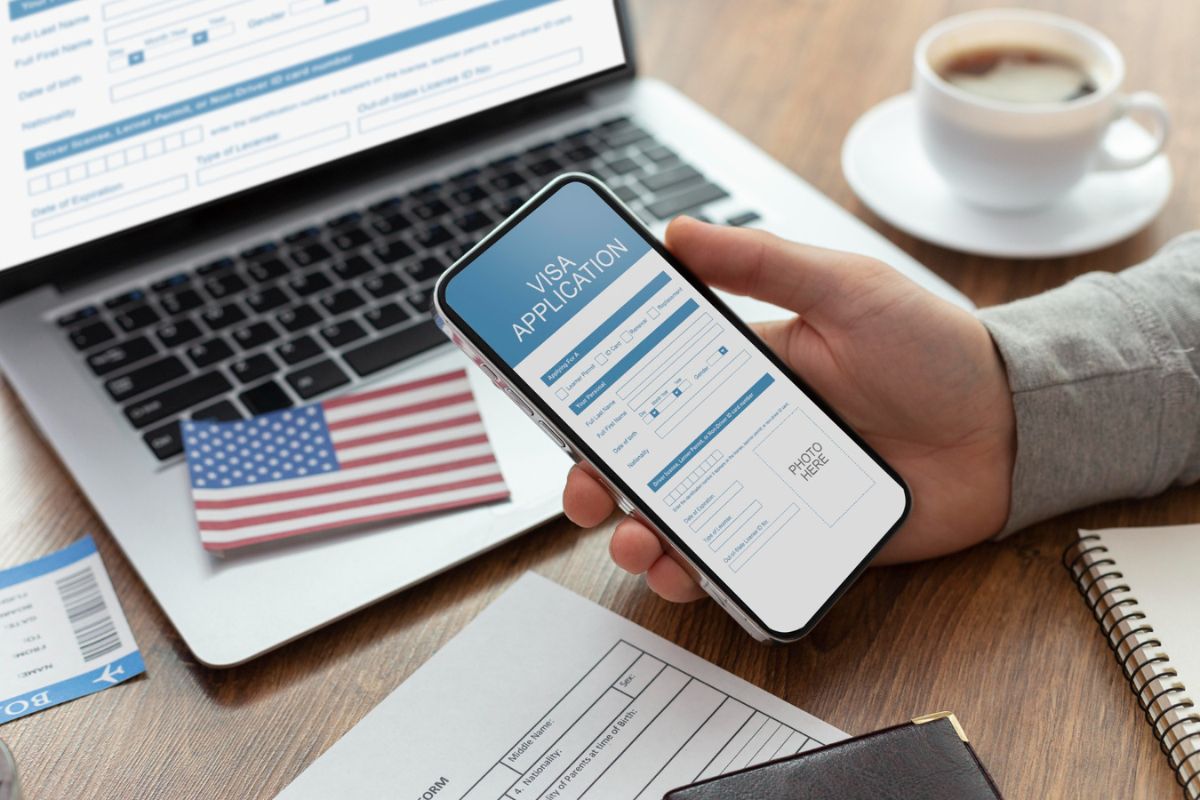
Starting March 30, 2026, the U.S. will scrutinize the social media accounts of a larger number of visa applicants, potentially prolonging processing durations and influencing decisions on approvals.
The U.S. government is intensifying its visa evaluation procedures. From March 30, 2026, an increased number of visa applicants will have their social media profiles analyzed as part of the visa application process carried out at U.S. embassies globally.
Individuals applying for various visa types must now render their social media profiles public to allow officials to assess online behavior prior to visa approval.
If you’re intending to visit, work, or reunite with family in the U.S., here’s what you should be aware of.
Who Will Be Impacted by the Newly Established Regulation?
The revised regulation concerns applicants in these visa categories:
- A-3, G-5 – household employees of diplomats or international representatives
- C-3 – transit domestic workers
- H-3 and H-4 (dependents of H-3) – trainees and their dependents
- K-1, K-2, K-3 – visas for fiancés and family members
- Q – visa for cultural exchange
- R-1, R-2 – religious personnel and their dependents
- S, T, U – visas associated with witnesses or crime victims
If you belong to any of these categories, your digital presence may be evaluated during the visa assessment.
What Specific Information Will Be Assessed?
Applicants are required to publicly set their social media accounts so that consular staff can inspect:
- Social media content and interactions
- Online presence
- Public persona on the internet
- Other web activities affiliated with the applicant
Authorities have not provided specific criteria for how the content will be evaluated. Nevertheless, any findings deemed suspicious or inappropriate might result in further background investigations.
In certain situations, this could lead to extended processing times or denial of the visa.
Similar Evaluations Already in Place for Other Visa Categories
This isn’t entirely unprecedented. The U.S. government has already implemented social media reviews for:
- F, M, J visas (students and exchange participants) since June 2025
- H-1B and H-4 visas starting December 2025
The update in March 2026 broadens the scope of these requirements to additional visa categories.
Comprehensive Overview of U.S. Visas Mandating Social Media Evaluations (2026 Revision)
Here is the full inventory of visa categories where applicants may need to keep their social media profiles public as part of the U.S. visa application process.
| Visa Category | Visa Type | Purpose |
|---|---|---|
| A-3 | Domestic Worker Visa | For personal staff of diplomats or government officials |
| C-3 (Domestic Workers) | Transit Visa | Domestic workers accompanying foreign officials in transit |
| F | Student Visa | Academic students enrolled in U.S. institutions |
| M | Student Visa | Vocational or technical students |
| J | Exchange Visitor Visa | Participants in exchange initiatives such as internships or research assignments |
| G-5 | Domestic Worker Visa | Staff for international organization officials |
| H-1B | Work Visa | Professionals from abroad with specialized skills |
| H-3 | Training Visa | Individuals in specialized education or structured training programs |
| H-4 | Dependent Visa | Dependents of holders of H-1B or H-3 visas |
| K-1 | Fiancé Visa | Foreign fiancé of a citizen of the United States |
| K-2 | Dependent Visa | Children of K-1 visa seekers |
| K-3 | Spouse Visa | Spouse of an American citizen pending immigrant visa clearance |
| Q | Cultural Exchange Visa | Individuals involved in cultural exchange programs |
| R-1 | Religious Worker Visa | Ministers or religious volunteers |
| R-2 | Dependent Visa | Dependents of R-1 visa applicants |
| S | Witness Visa | People assisting law enforcement agencies |
| T | Human Trafficking Victim Visa | Victims of trafficking aiding in investigations |
| U | Crime Victim Visa | Victims of specified crimes supporting law enforcement efforts |
Anticipate Potential Delays in Visa Processing
- Reduced availability for appointments
- Increased wait times for verdicts
- Additional security protocols in certain cases
For travelers, employees, and families intending to relocate soon, this could imply significant delays in arriving in the United States.
Implications for Travelers
- Examine your public social media accounts
- Eliminate any misleading or sensitive information
- Submit your application early to prevent last-minute issues
- Brace for potentially extended processing periods
This regulation indicates that digital footprints have become a factor in visa evaluation, beyond merely paperwork and interviews.
Concluding Remarks
The U.S. continues to enhance digital background investigations as part of immigration evaluations. While the intent is to bolster security, these changes may also lead to increased waiting times for a significant number of applicants.
Individuals planning to apply for relevant visas should begin preparations early and make sure their online profiles present precise and appropriate information.
Fonte: Travelo Biz
