


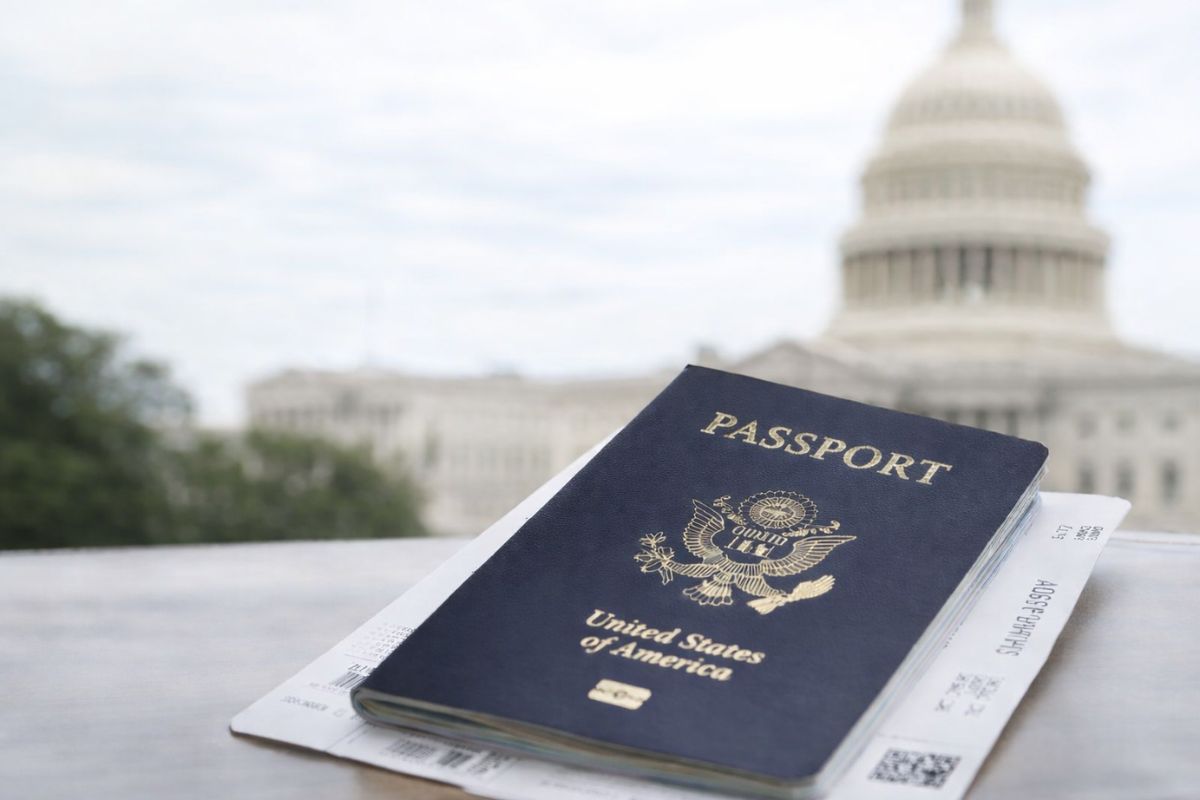
The U.S. might soon impose stricter ESTA regulations for travelers without visas. A suggested modification would require travelers to disclose their social media information, stirring privacy apprehensions and new inquiries about the simplicity of entry.
The United States is reevaluating its ESTA program guidelines. ESTA is the authorization allowing individuals from specific nations to enter the U.S. without needing a visa for brief visits.
If the alterations are sanctioned, travelers would need to provide more personal data, such as information regarding their social media activity.
This proposal has already sparked criticism. Numerous travelers express that it feels invasive and may deter them from considering a trip to the U.S.
What Is ESTA and Who Needs It?
ESTA, which stands for Electronic System for Travel Authorization, permits citizens from 42 countries to enter the United States visa-free, under the condition that:
- The duration of the visit is 90 days or fewer
- The purpose of travel is business, tourism, or transit
- The individual possesses a valid passport from an ESTA-eligible nation
Having an ESTA is compulsory. You cannot embark on a flight to the U.S. under the Visa Waiver Program without it.
Current ESTA Requirements Explained
At present, applicants for ESTA must supply:
- Full name and birth date
- Passport information
- Contact details
- Details regarding travel
- Employment status
- Responses to security and background inquiries
Most approvals occur swiftly, typically within hours; however, it’s recommended that travelers submit their applications at least 72 hours prior to departure.
What New ESTA Rule Is Being Proposed?
According to the suggested revision, ESTA applicants would also be required to:
- Indicate which social media platforms they have utilized
- Include a history covering the last five years
Travelers would not need to provide passwords, but the requirement to list social media accounts has raised concerns regarding privacy.
U.S. officials claim this measure is designed to enhance border security. However, the travel sector perceives it differently.
Travellers Already Know About the Proposal
A recent survey from the World Travel & Tourism Council indicates that the discussion about this matter is no longer quiet.
The survey engaged over 4,500 frequent international travelers from nations such as the UK, Germany, France, Japan, South Korea, and Australia.
Almost two-thirds of respondents indicated they were already aware of the potential ESTA modifications.
This is significant, as the formation of travelers’ opinions can rapidly transform travel intentions.
Updated ESTA Fee for 2026
Alongside the newly proposed ESTA regulations, the U.S. has marginally raised the ESTA fee for travelers under the Visa Waiver Program. Starting in 2026, applicants will need to pay $40.27, a slight increase from $40, marking a minor inflation-related adjustment confirmed by U.S. Customs and Border Protection.
| Component | Prior Fee | Revised Fee (2026) | Adjustment |
|---|---|---|---|
| Tourism Promotion Fund | $17 | $17 | No change |
| Program Component | $13 | $13 | No change |
| System Management | $10 | $10.27 | +$0.27 |
| Total | $40 | $40.27 | +0.27 |
Possible Impact on U.S. Tourism
The WTTC has also evaluated the economic ramifications if a lower number of travelers opt for the U.S.
Their projections indicate:
- Potential losses of up to $15.7 billion in tourism revenue
- As many as 4.7 million fewer international visitors by 2026
- Approximately 150,000 jobs related to tourism could be impacted
According to Gloria Guevara, while border security is essential, the importance of trust in travel should not be underestimated.
Even minor shifts in traveler behavior can lead to substantial economic consequences.
Why Timing Matters Right Now
International tourism to the U.S. is still in recovery mode and has not fully regained pre-pandemic levels.
Moreover, travelers now have a plethora of options. If a specific destination seems overly complicated or unwelcoming, people are likely to seek alternatives.
This conversation is unfolding as the U.S. gears up to host significant global events, including World Cup games and the 2028 Olympics.
What This Means for Travellers
Currently, the ESTA rules have not been altered. Travelers continue to adhere to the existing application procedure.
However, if the proposal progresses, applying for ESTA may include:
- An increase in personal inquiries
- Extended application processing time
- Increased privacy concerns for some travelers
This could lead frequent visitors to reassess their travel intentions.
This debate underscores a rising concern in global travel. Security is vital, but so is the perception of welcome a country offers at its borders.
“`
Fonte: Travelo Biz