


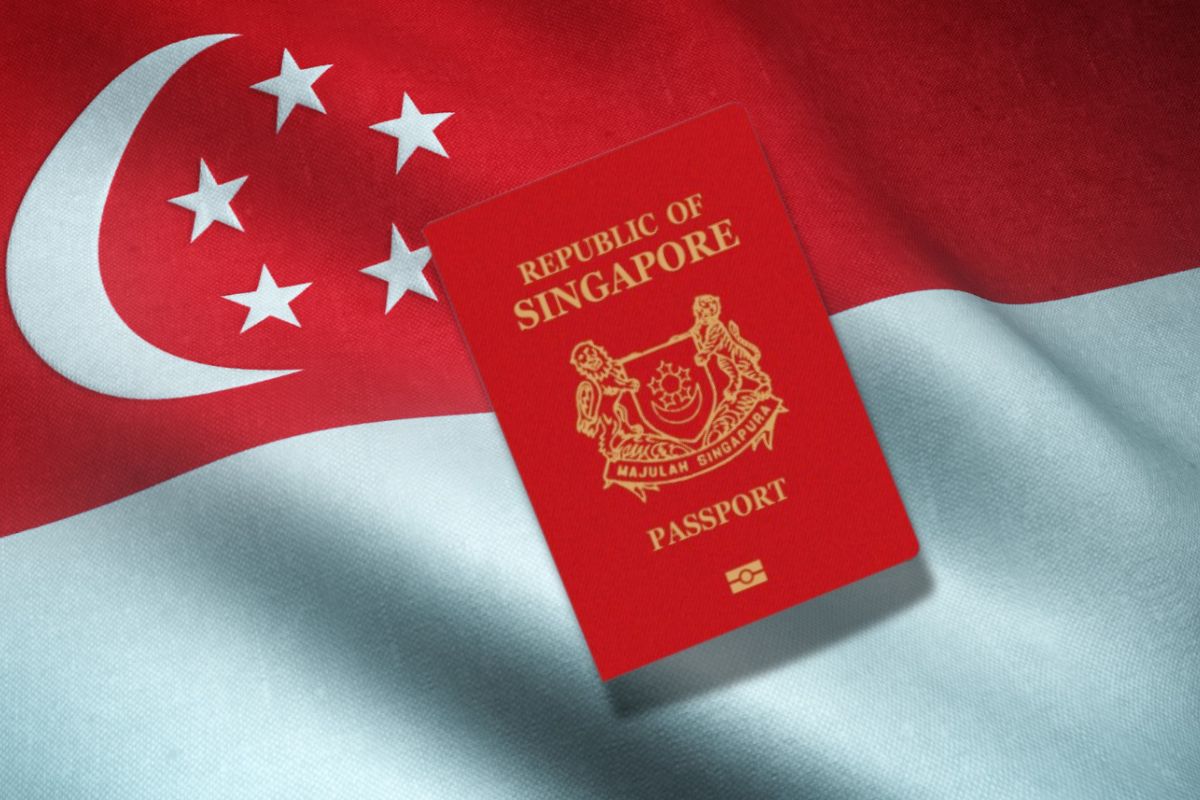
To tackle workforce gaps, Singapore is set to increase PR approvals. Discover who is eligible to apply, the main advantages, and straightforward procedures for obtaining Permanent Residence in Singapore in 2026.
Singapore is progressively welcoming more international talent as it addresses a declining workforce alongside an ageing demographic. Each year, the government aims to grant 25,000 to 30,000 new citizenships and issue approximately 40,000 Permanent Resident (PR) approvals over the next five years.
This initiative is designed to bolster the economy in light of declining birth rates and a shrinking working-age demographic. In 2025, around 25,000 citizenships were issued, contributing to a population rise of roughly 0.7 percent.
For professionals with expertise, this indicates improved long-term employment prospects within one of Asia’s foremost competitive markets.
Reasons Behind Singapore’s Increase in PR Approvals
Historically, Singapore has depended on global talent to sustain key sectors like finance, technology, healthcare, logistics, and engineering. However, the nation now faces two significant challenges:
- Fewer annual births
- A rapidly expanding elderly demographic
The decrease in new entrants to the workforce necessitates a strategic approach to immigration to support ongoing economic expansion.
By increasing the number of permanent residents and citizens, the government aims to:
- Enhance business development
- Address workforce skill gaps
- Ensure sustained productivity
- Safeguard public financial health
The selection process remains thorough, evaluating applicants based on their educational background, expertise, work experience, salary, and their capacity to benefit the economy.
Eligibility Criteria for Applying for Singapore PR
Permanent Residence (PR) in Singapore is accessible through various pathways based on the applicant’s profile.
- Qualified foreign workers currently employed in Singapore
- Holders of Employment Pass or S Pass
- Business owners and investors
- International scholars pursuing education in Singapore
- Spouses or children of Singaporean citizens or PR holders
- Professionals with excellent credentials and steady income
Officials generally examine education history, salary offerings, demand for the industry, and potential for long-term contributions.
Application Procedure for Singapore PR (Easy Steps)
The application process is conducted online and is mostly uncomplicated.
Step 1: Confirm Eligibility
Ensure you meet the requirements for one of the PR schemes, such as skilled worker, family sponsorship, or investor categories.
Step 2: Gather Necessary Documents
Essential documents typically include a copy of your passport, employment information, proof of salary, educational qualifications, and family documents if applying with dependents.
Step 3: Submit Your Online Application
Applications are processed via Singapore’s immigration website, requiring all documents to be uploaded electronically.
Step 4: Await Processing
Processing durations can differ, normally spanning several months based on the applicant’s profile and demand.
Step 5: Receive the Decision
If successfully approved, applicants will obtain PR status and may start residing and working in Singapore without a distinct work visa.
Major Advantages of Obtaining Singapore Permanent Residence in 2026
Securing PR in Singapore offers significant stability and adaptability, particularly for individuals looking to advance their careers in Asia. Here are the primary benefits:
1. Ability to Live and Work Without Restrictions on Work Visas
Holders of PR can engage in employment in Singapore without being restricted to a single employer or needing a work permit. This facilitates easier transitions between jobs and fosters career advancements.
2. Route to Singaporean Citizenship
Holders of PR may qualify to apply for citizenship after fulfilling residency conditions, generally after residing and working in Singapore for several years.
3. Family Inclusion
Partners and children are permitted to reside in Singapore. Children can access local education, and family members may be eligible to work based on qualifications.
4. Healthcare Access
PR holders can receive subsidized medical care at government hospitals and clinics, which helps lessen healthcare expenses.
5. Contributions to CPF for Retirement
Employers contribute to the Central Provident Fund (CPF), a nationwide savings mechanism that aids in retirement planning, housing, and healthcare, ensuring financial security.
6. Convenient Travel with Re-Entry Permit
PR holders have the freedom to travel in and out of Singapore easily, provided they possess a valid Re-Entry Permit (REP).
Implications for Foreign Workers
Singapore is continually enhancing its position as an international hub for talented professionals. The anticipated boost in PR approvals highlights the nation’s intention to remain competitive while judiciously managing demographic growth.
For foreign workers with solid qualifications and pertinent expertise, 2026 may present enhanced opportunities for achieving long-term residency in one of Asia’s most reliable economies.
Individuals already employed in Singapore might find this an opportune moment to assess their eligibility and start organizing necessary documentation promptly.
Fonte: Travelo Biz
