


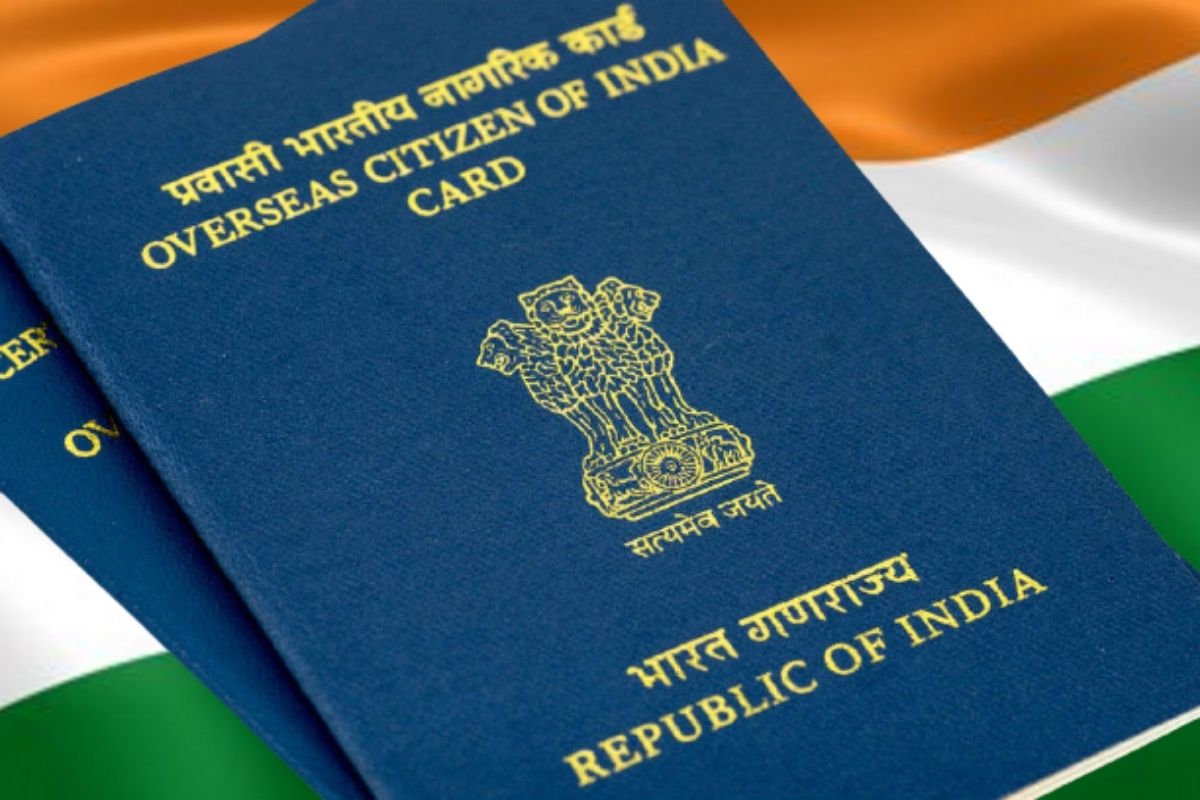
The acceptance of PIO cards for travel to India has been halted. Holders are now required to switch to an OCI card or secure a visa prior to departure, or they may face boarding denial.
Individuals of Indian descent intending to visit India should be aware of a significant update. PIO cards can no longer be utilized for entry into India, regardless of whether the traveler possesses a valid foreign passport.
This regulation is effective as of now, meaning that airlines could refuse boarding to passengers trying to use a PIO card.
Those who still possess a PIO card must convert it to an Overseas Citizen of India (OCI) card or submit a visa application before traveling to India.
What is Different for PIO Cardholders?
For many years, the PIO card enabled individuals of Indian descent residing overseas to enter India without needing a visa. Several deadlines had been extended by the Indian government to facilitate the transition of cardholders to the newer OCI framework.
The final conversion date for handwritten PIO cards to OCI cards was set for December 31, 2025. Up to that point, travelers could still gain access to India using a valid PIO card in conjunction with their foreign passport.
This grace period has now concluded.
Going forward:
- PIO cards will no longer be recognized as valid travel documents
- Airlines may refuse to allow boarding if a traveler presents a PIO card
- Travelers are required to possess either an OCI card or an approved Indian visa
This alteration could come as a surprise to many regular visitors, particularly those who have depended on their PIO card for an extended time.
Reasons Behind the Change
This transition is part of a gradual process initiated in 2015, when India opted to unify the PIO and OCI programs into a consolidated OCI initiative.
The intention was to streamline travel and residency rights for individuals of Indian descent living abroad.
To minimize inconvenience, the conversion deadline was extended several times, with the last extension allowing handwritten PIO cards to remain valid until December 31, 2025.
As that deadline has been reached, the transition to OCI is now officially concluded.
What Steps Should Travelers Take Now?
If you are still in possession of a PIO card, you have two paths to consider before going to India:
1. Pursue an OCI Card
This is the most advised route for the majority of PIO cardholders. The OCI status provides enduring advantages such as:
- Permanent visa-free entry into India
- No necessity for recurrent visa requests
- Authorization for extended residencies in India
2. Seek an Indian Visa
For those who have not yet transitioned from their PIO card, applying for a standard visa through an Indian consulate or the online application system is an option. However, this requires a new application every time you wish to travel.
Crucial Advice for Travelers
do not attempt to board a flight using it, irrespective of whether it is presented with your foreign passport.
Airlines strictly adhere to immigration protocols. If the travel document is deemed invalid, passengers may be refused boarding at the airport.
Prior to purchasing airline tickets to India, ensure you possess one of the following:
- A valid OCI card, or
- A valid Indian visa
What Exactly is a Person of Indian Origin (PIO) Card?
The PIO card was issued as a travel and residency document for international individuals with Indian heritage. It permitted eligible individuals of Indian descent to enter India visa-free and remain for longer durations compared to standard tourists.
First introduced in 1999, the card was commonly used by members of the Indian diaspora residing in nations like the United States, Canada, the United Kingdom, and Australia.
In 2015, the Indian administration consolidated the PIO initiative with the OCI program, providing more extensive benefits within a single framework. Since then, PIO cardholders have been urged to convert their cards to OCI cards.
With the final deadline for transitioning now gone, OCI has officially supplanted the PIO framework for entering India.
Fonte: Travelo Biz
