


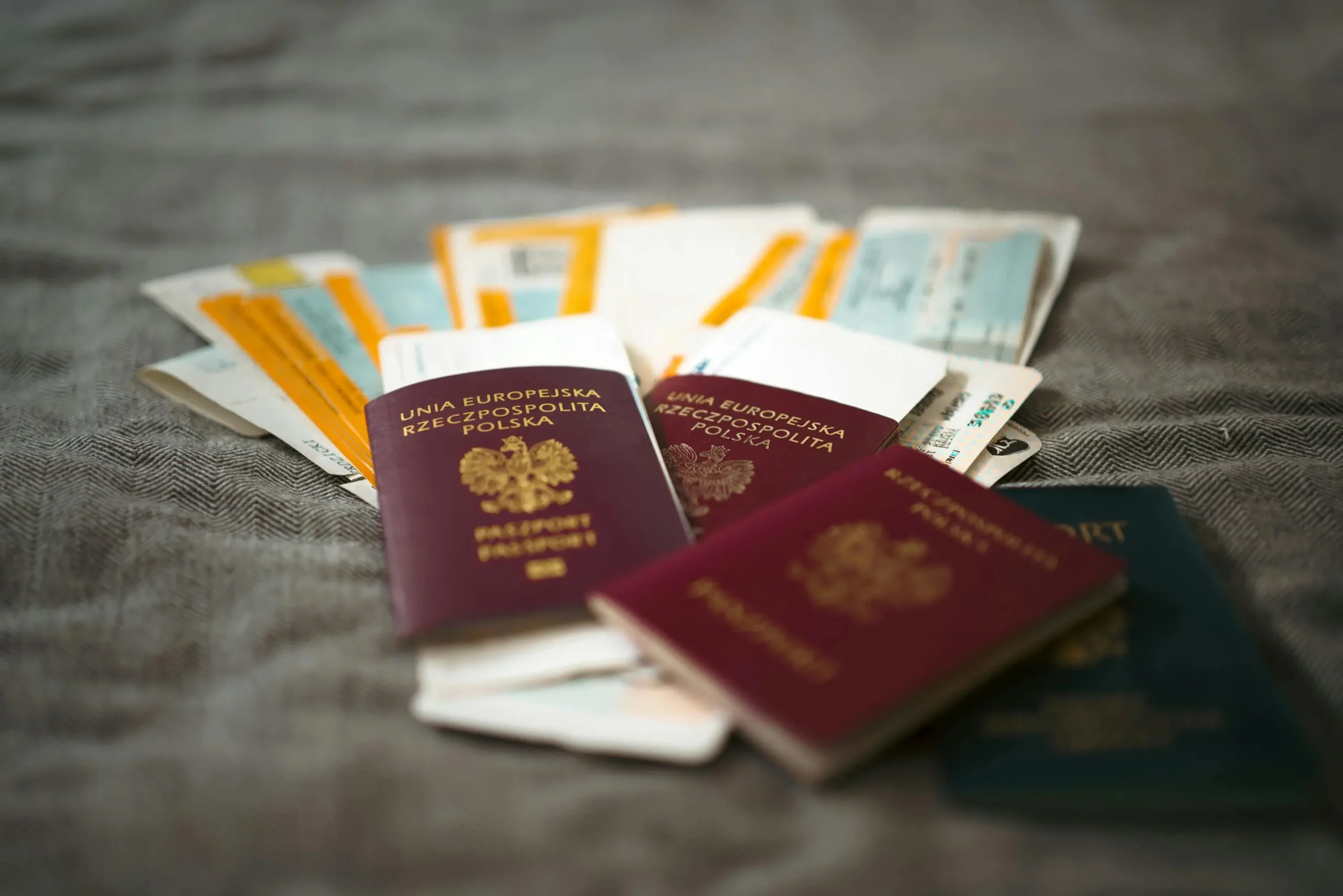
If you’ve ever stared at the US Embassy website trying to figure out exactly what documents do I need for a US B1 B2 visa interview, you’re not alone. It’s one of the most searched questions among first-time and repeat applicants alike — and the answer deserves a thorough, honest breakdown. The official guidance can feel vague, the lists vary depending on which consulate you’re applying to, and the fear of showing up unprepared is very real — because a missing document can result in an immediate refusal or, at best, a frustrating administrative processing delay. This guide exists precisely to solve that problem. I’ve put together a comprehensive, practical breakdown of every document you should bring, why it matters, and how to present it so you walk into that interview room ready for anything.
The B1/B2 visa is the standard US non-immigrant visitor visa — B1 covers business travel (meetings, conferences, negotiations), while B2 covers tourism, medical treatment, and visiting friends or family. In practice, the two are almost always issued together as a combined B1/B2 visa. The interview itself is usually short — sometimes only two or three minutes — but that brevity is deceiving. The consular officer has already reviewed your application before calling you to the window. The documents you bring are your chance to back up everything you stated in your DS-160 with concrete, tangible proof. So understanding what documents do I need for a US B1 B2 visa interview is not just a procedural question — it’s the foundation of your entire application strategy.
One important thing to understand from the start: there is no single universal checklist that applies to every applicant in every country. The State Department publishes a general list, but individual consulates often have supplemental requirements, and your personal circumstances — your job, your family situation, your travel history, your finances — will determine which supporting documents carry the most weight. This guide covers both the mandatory baseline documents and the supporting evidence that transforms a weak application into a strong one.
The Mandatory Documents Every Applicant Must Bring
When people ask what documents do I need for a US B1 B2 visa interview, the first answer is always the non-negotiable core set. These are the documents that every single applicant must present regardless of nationality, purpose of travel, or personal situation. Without these, your interview won’t even begin — the officer will simply send you away. Make sure these are organized, intact, and readily accessible when you approach the window.
Your valid passport is the cornerstone of the entire application. It must be valid for at least six months beyond your intended period of stay in the United States. If your passport expires in less than six months from your planned entry date, renew it before applying for the visa. You should also bring all previous passports you hold, even expired ones. Old passports contain visa stamps, entry records, and travel history that consular officers often examine to assess your travel patterns and ties to your home country. Presenting them proactively signals transparency and thoroughness.
Your DS-160 confirmation page is the printed barcode page generated after you submit your online visa application. The barcode links your application to the consulate’s system. Without it, the officer cannot pull up your file. Print it in clear, readable condition — don’t fold it through the barcode area. Your visa interview appointment confirmation letter is equally essential; it proves you have a scheduled appointment at that specific embassy or consulate on that date. Both documents are typically checked before you even enter the building, so keep them at the very top of your folder.
The visa application fee payment receipt (the MRV fee receipt) confirms that you’ve paid the non-refundable application fee, which as of 2025 is $185 for B1/B2 visas. Depending on your country, this is paid through a designated bank or online payment system. Some consulates also require a separate visa issuance fee for certain nationalities based on reciprocity agreements — check the specific requirements for your country of citizenship. Finally, bring one or two recent passport-style photographs that meet US visa photo requirements (2×2 inches, white background, no glasses), even if you already uploaded a photo digitally. Some consulates still request a physical photo.
Financial Documents: Proving You Can Fund Your Trip and Return Home
One of the central concerns in any B1/B2 interview is whether the applicant has sufficient financial resources to cover the trip without needing to work illegally or overstay their visa. This is why financial documentation is one of the most scrutinized categories when consular officers assess what documents do I need for a US B1 B2 visa interview. The goal is to demonstrate two things simultaneously: that you have enough money for the trip, and that you have financial reasons to return home afterward.
Bank statements from the past three to six months are the primary financial document. They should show a healthy, consistent balance — not a sudden large deposit right before the interview, which is a red flag. If someone else is sponsoring your trip (a relative living in the US, for example), you’ll need their bank statements along with a signed letter of financial support (sometimes called an affidavit of support, though the formal I-134 form is more commonly required for immigrant visas). The sponsor should also include proof of their status in the US — a green card, naturalization certificate, or visa copy.
Beyond bank statements, consider bringing payslips or salary statements from the past three months, an employment contract or letter from your employer confirming your position, salary, and approved leave dates, and if you’re self-employed, your most recent tax returns and business registration documents. If you own property, include documentation of real estate ownership. The underlying message all of these documents send is the same: you have stable, ongoing financial commitments at home that make overstaying your visa economically irrational. That’s exactly the reassurance a consular officer needs.
For travelers from countries with weaker economies or higher visa refusal rates, the bar for financial documentation is often higher. In these cases, bringing fixed deposit certificates, investment account statements, or pension fund records can further reinforce your financial stability. Don’t be shy about presenting comprehensive financial evidence — more is better in this category, as long as it’s organized and easy to navigate.
Ties to Your Home Country: The Most Underestimated Part of the Application
If there’s one category of documents that applicants consistently underestimate, it’s the evidence of ties to their home country. Under US immigration law, every B1/B2 applicant is presumed to be an intending immigrant until they prove otherwise. That means the burden is entirely on you to demonstrate that you have compelling reasons to return home after your visit. When thinking about what documents do I need for a US B1 B2 visa interview, your home-country ties documentation is often what separates approvals from refusals.
Employment is one of the strongest ties. An employer letter on company letterhead that confirms your job title, your approved leave of absence, your salary, and your expected return-to-work date is extremely valuable. If you’re a business owner, bring your business registration certificate, recent tax filings, and any documents showing ongoing business obligations that require your presence at home. If you’re a student, your enrollment letter and academic schedule showing classes resuming after your planned return date serve the same purpose.
Family ties are equally powerful. If you have a spouse, children, or aging parents at home, bring documentation: a marriage certificate, children’s birth certificates, or any documents showing family dependents who rely on you. Property ownership is another compelling tie — bring a property deed or mortgage statement for any real estate you own in your home country. Even utility bills in your name showing a long-established residence at a specific address can reinforce the impression of a settled life you’re not willing to abandon.
Some applicants overlook softer ties like club memberships, community roles, or volunteer commitments. While these carry less weight individually, they contribute to the overall picture of a person deeply embedded in their home community. A well-organized folder that presents employment, family, property, and community ties together creates a compelling narrative that no single document could achieve alone.
Purpose-Specific Documents: Tourism, Business, Medical, and Family Visits
Beyond the universal requirements, the specific purpose of your trip demands its own supporting documentation. Consular officers expect to see evidence that aligns with what you stated in your DS-160. Inconsistency between your stated purpose and your documentation is one of the fastest ways to trigger additional scrutiny. So when considering what documents do I need for a US B1 B2 visa interview, always calibrate your supporting documents to match your trip’s reason.
If you’re traveling for tourism, bring a detailed travel itinerary — not just a vague plan, but a day-by-day outline of where you’ll be, what you’ll be doing, and where you’ll be staying. Include hotel reservation confirmations (which should be cancellable bookings, not fully paid ones, to avoid financial risk before the visa is granted). If you’ll be staying with friends or family in the US, a letter of invitation from your host — including their address, contact information, and a statement about your relationship — adds credibility. Round-trip flight itinerary (again, a reservation, not necessarily a purchased ticket) demonstrates that you’ve planned a defined trip with a clear end date.
For business travelers applying under the B1 classification, the documentation requirements shift. You’ll need an invitation letter from the US company you’re visiting, clearly stating the business purpose of your trip, its duration, and who is bearing the costs. If your employer is sending you, a letter from your company explaining the nature of the business meetings, conferences, or negotiations is essential. Bring any conference registration confirmations, trade show tickets, or meeting agendas that substantiate your claim. The key is to demonstrate that the activity is genuinely temporary business — not work that should require a work visa.
Applicants traveling for medical treatment face a distinct set of documentation needs. You’ll need a letter from your doctor in your home country explaining the diagnosis and why treatment in the US is necessary. You’ll also need a letter from the US medical facility confirming your appointment, the expected duration of treatment, and an estimate of costs. Crucially, you’ll need proof that you have the financial means to cover medical expenses in the US, which can be substantial — bring insurance documentation or bank statements demonstrating adequate funds. Medical visa applications are scrutinized carefully, but with the right documentation, they are entirely approvable.
For those visiting friends or family in the United States, the invitation letter from your US-based contact is central. It should include their full name, address, immigration status or citizenship, the nature of your relationship, and how long you plan to stay. If your host is a US citizen or lawful permanent resident, a copy of their passport or green card strengthens the letter considerably. You should also be prepared to explain your relationship clearly — consular officers will often ask how you know the person and how long you’ve been in contact.
What Documents Do I Need for a US B1 B2 Visa Interview: A Full Reference Checklist
To make everything actionable, here is a consolidated reference of documents organized by category. Use this as your master checklist when preparing your folder. Remember that your specific consulate may have additional requirements, so always cross-reference with the official page of the US Embassy or Consulate where you’ll be interviewed.
- Valid passport (valid at least 6 months beyond your stay) + all previous passports
- DS-160 confirmation page with barcode (printed clearly)
- Visa appointment confirmation letter
- MRV fee payment receipt (visa application fee proof)
- Passport-style photographs meeting US specifications
- Bank statements (last 3–6 months, showing consistent balance)
- Payslips or salary statements (last 3 months)
- Employer letter confirming job, salary, leave approval, and return date
- Business registration documents and tax returns (if self-employed)
- Property ownership documents or mortgage statements
- Marriage certificate and/or children’s birth certificates (family ties)
- Travel itinerary with hotel reservations and flight booking
- Letter of invitation from US host (if staying with someone)
- Business invitation letter from US company (B1 applicants)
- Conference or event registration confirmation (B1 applicants)
- Medical appointment letter from US facility (medical travel)
- Doctor’s letter from home country physician (medical travel)
- Travel insurance documentation (strongly recommended)
- Evidence of prior legal US travel (previous visas, I-94 records, if applicable)
How to Organize Your Documents for Maximum Impact at the Interview
Knowing what documents do I need for a US B1 B2 visa interview is only half the battle — how you present them matters enormously. Applicants who walk in with a well-organized, logically sequenced document folder consistently make better impressions than those clutching a disorganized stack of papers, even when the underlying documents are identical. Walking up to the window with a chaotic stack of loose papers sends an unspoken message about your level of preparation. Conversely, arriving with a well-organized folder signals that you take the process seriously, which subtly reinforces your credibility as an applicant.
Use a clear plastic folder or document wallet with labeled sections or dividers. A logical order works best: start with the mandatory documents (passport, DS-160, appointment confirmation, fee receipt) at the front since these will be requested first. Behind those, organize your financial documents, then your home-country ties evidence, then your purpose-specific documents. Bring originals and photocopies of everything important — the officer will usually keep the copies if they need them, and you’ll want your originals back.
Don’t bring documents you can’t explain. If you include a bank statement showing a sudden large deposit, be ready to explain where the money came from. If you’re including a business registration certificate in a language other than English, bring a certified translation. Every document in your folder should be something you understand and can speak to confidently. Consular officers are trained to spot inconsistencies, and a document you can’t contextualize can raise more questions than it answers.
One practical tip: have a brief, honest mental script ready for the core questions you’ll almost certainly be asked. “What is the purpose of your trip?” “How long do you plan to stay?” “Who will be paying for your trip?” “Do you have family in the United States?” Your answers should match your documentation exactly. The interview is short, but it’s a coherence check as much as a document check — the officer is assessing whether your story holds together.
Common Mistakes That Lead to Visa Refusals and How to Avoid Them
Understanding what documents do I need for a US B1 B2 visa interview is incomplete without understanding the mistakes that commonly derail applications. Refusals under Section 214(b) — the most common refusal ground — happen when an officer isn’t convinced the applicant will return home. Almost always, the failure is a documentation failure: either the right evidence wasn’t there, or it wasn’t convincing enough.
The most frequent mistake is presenting insufficient financial evidence. Bringing a single bank statement with a modest or fluctuating balance, without any supporting employment or asset documentation, leaves too much room for doubt. Always present financial evidence in layers — bank statements backed by payslips backed by employer letters backed by asset documents. Each layer reinforces the last.
Another common error is inconsistency between the DS-160 and the supporting documents. If your DS-160 says you’re employed as a software engineer but your employer letter mentions a different job title, that discrepancy will be noticed. Review your DS-160 carefully before the interview and make sure every supporting document aligns with what you stated. Similarly, if you listed a trip duration of two weeks but your hotel bookings only cover five days, that gap needs to be explainable.
Overly vague travel plans are also a warning sign. “I want to see New York and maybe some other places” is not a convincing itinerary for a visa officer. A specific, day-by-day plan with named hotels, named attractions, and realistic timing shows that you’ve planned a real, bounded trip — not an open-ended stay with indefinite intentions. You don’t need rigid bookings, but you do need a credible, detailed plan.
Finally, many applicants underestimate the importance of prior travel history. If you’ve traveled legally to the US before, or to other countries with strict visa requirements (UK, Canada, Schengen area, Japan, Australia), bring evidence of those trips. Stamps in old passports, expired visas, or I-94 departure records all demonstrate a pattern of respecting visa conditions — one of the strongest signals an officer can receive that you’ll do the same again.
Special Situations: Students, Retirees, and First-Time Travelers
Not everyone asking what documents do I need for a US B1 B2 visa interview fits the standard employed-adult profile. Students, retirees, homemakers, and first-time international travelers all face slightly different documentation challenges that are worth addressing specifically.
Students should bring their enrollment letter, academic transcript, and proof of tuition payments or scholarship funding. A letter from a parent or guardian confirming financial support, along with the sponsor’s bank statements and employment proof, is typically required. Students also benefit from showing that their academic program continues after the planned travel date — this is their primary tie to their home country in the absence of employment.
Retirees often have strong financial profiles but may worry about lacking employment ties. In this case, the emphasis shifts to property, pension income, and family. Bring pension statements or retirement fund documentation, property deeds, and evidence of family relationships at home (adult children, siblings, grandchildren). Retirees with a long history of international travel and clean immigration records are generally viewed favorably — so make sure that history is visible through your old passports.
First-time international travelers face the challenge of having no travel history to demonstrate responsible visa compliance. In this situation, overcompensating with other forms of documentation is the right strategy. Exceptionally strong financial documentation, detailed and believable travel plans, a thoroughly documented home-country life (employment, property, family), and a well-prepared, confident presentation at the interview window can overcome the absence of a travel track record.
After the Interview: What Happens Next
Once you’ve submitted your documents and completed your interview, the process moves into the consulate’s hands. Most B1/B2 applications are approved on the spot, with the officer stamping your passport or issuing a visa pick-up slip. Some applications are placed in “administrative processing” — a period of additional review that can last anywhere from a few days to several weeks. This isn’t necessarily a denial; it’s a background check or security screening that some applications require by law.
If your visa is approved, carefully verify all the details on the visa sticker before leaving the consulate: your name, date of birth, passport number, visa validity dates, and number of entries (most B1/B2 visas are issued as 10-year, multiple-entry). If there’s an error, report it immediately — correcting it after the fact is significantly more complicated. Keep all your application documents for at least the life of the visa; if you’re ever questioned at a port of entry about the purpose of a trip, having the original supporting materials can be genuinely useful.
The full answer to what documents do I need for a US B1 B2 visa interview extends well beyond the consulate window. It extends to how you present yourself at the US border when you actually arrive. Customs and Border Protection (CBP) officers have the authority to question you about your trip and may ask to see supporting documents. Carrying a copy of your invitation letter, hotel confirmations, and return flight booking in your carry-on luggage is a smart habit that many frequent travelers adopt.
Frequently Asked Questions (FAQ)
These are the questions that come up most often from readers preparing their applications. If you’re still unsure about what documents do I need for a US B1 B2 visa interview in your specific situation, the answers below cover the most common scenarios.
Do I need to bring original documents or copies?
Bring both. Present originals to the officer and have photocopies ready to leave behind if requested. Never surrender your original passport for any reason other than visa issuance.
Should I bring documents in languages other than English?
Yes, but also bring certified English translations. While many consular officers speak multiple languages, official translations remove any ambiguity and demonstrate thoroughness.
What if I’m unemployed or between jobs?
Be transparent about your situation. Provide bank statements, any freelance or contract income documentation, and strong family and property ties. An unemployed applicant with significant savings, property, and family in their home country can absolutely be approved — the key is demonstrating stability and strong reasons to return.
Can I apply for a B1/B2 visa if I’ve been refused before?
Yes. A prior refusal does not permanently bar you from applying. You’ll need to declare the previous refusal on your DS-160 and ideally address the reasons for it with stronger documentation in your new application. Applying again without meaningfully changing your supporting materials, however, is unlikely to produce a different result.
How far in advance should I book my appointment?
Interview wait times vary significantly by consulate and season — check the US State Department’s visa appointment wait time tracker for current estimates at your nearest consulate. During peak seasons, waits of several months are not uncommon at major consulates, so plan well ahead.
Is travel insurance required for a B1/B2 visa?
It’s not a formal requirement, but it’s strongly recommended and can positively support your application. A travel insurance policy shows planning and responsibility — and in the event of a medical emergency in the US, it protects you from potentially devastating healthcare costs.
What is the DS-160 and where do I fill it out?
The DS-160 is the online nonimmigrant visa application form. It’s completed at the Consular Electronic Application Center (CEAC) on the State Department website. Fill it out carefully and truthfully — it forms the backbone of your application and the officer will refer to it during your interview.
Have you been through a B1/B2 visa interview recently? Was there a document that made a real difference in your approval — or one you wish you’d brought that you forgot? Share your experience in the comments below. And if you’re preparing for your own interview, feel free to ask questions — this community has a lot of collective wisdom to offer.
