


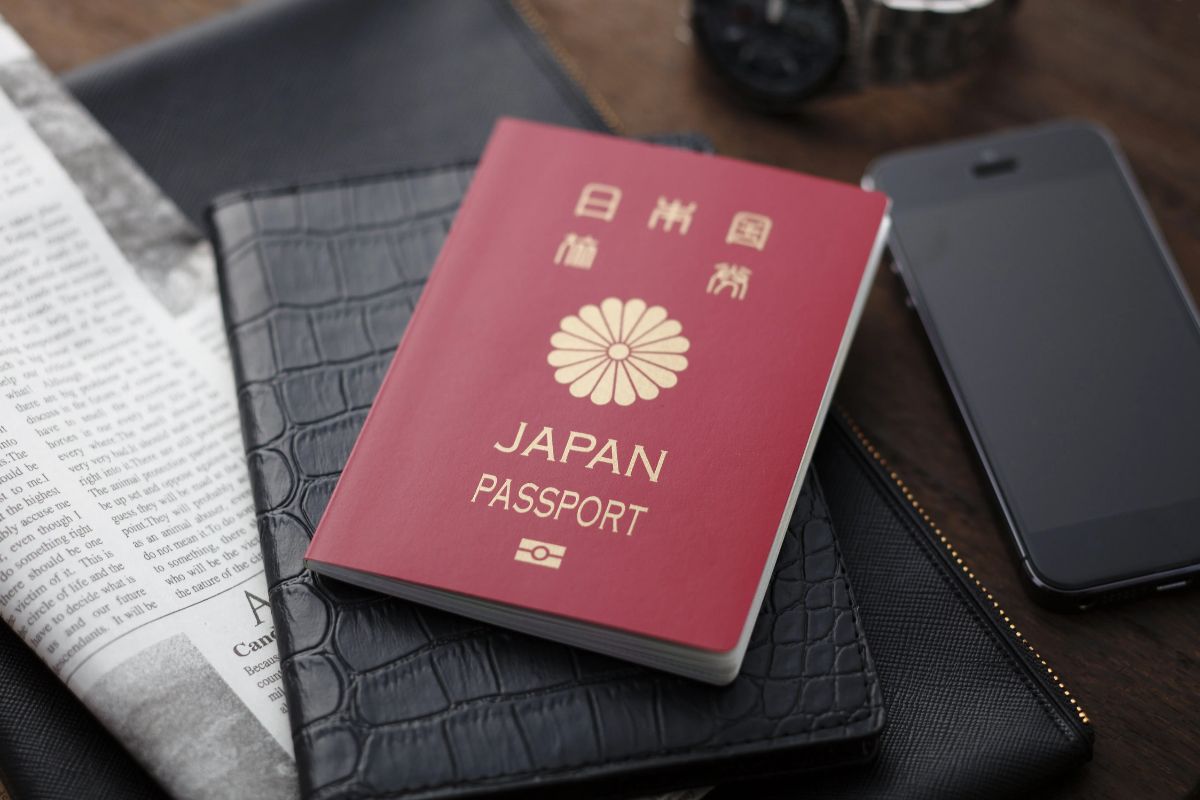
To obtain permanent residency in Japan, a five-year visa stay is now mandatory along with enhanced tax compliance requirements. Discover how these updates impact foreign workers and their partners.
Recent adjustments have been made to Japan’s rules regarding permanent residency, and these alterations are quite significant.
As reported by various news outlets, the Immigration Services Agency of Japan has extended the required visa duration from three years to five years for the majority of applicants. These new regulations are currently in effect.
If you reside in Japan and are considering applying for permanent residency, here’s what you should understand.
Five-Year Visa Stay Is Now Mandatory
Previously, many foreign nationals could apply for permanent residency if they held a three-year visa in their respective category. That is no longer sufficient.
Now, applicants are required to possess the maximum duration of stay available for their visa category when submitting an application. For the majority of work and spouse visas, this duration is five years.
The three-year visa will be accepted only in specific situations. This applies exclusively to individuals who currently possess that status and receive a determination by March 31, 2027. Even in this case, it can be utilized only one time.
For most applicants, the clear implication is that a five-year visa is critical prior to applying for permanent residency in Japan.
10 Years of Residence Still Required in Most Cases
It’s important to note that the fundamental residency requirement remains unchanged.
In general, applicants must have lived in Japan for a minimum of 10 continuous years. Out of these ten years, at least five must be without interruption under a work-related or personal residence status. This encompasses categories such as work visas or a spouse visa.
Every applicant still needs to fulfill three essential criteria:
- Good behavior
- Financial self-sufficiency
- Residency that contributes to Japan
These remain central to the decision-making process.
Unpaid Taxes and Late Payments Can Harm Your Chances
This is where the scrutiny has intensified.
Applicants are required to have no criminal sanctions, including fines or jail time. While this is not a new requirement, authorities are increasingly vigilant regarding public obligations. This encompasses:
- Income tax
- Pension contributions
- National health insurance fees
Even if you settle any unpaid amounts before applying, previous late payments can still count against you. To put it simply, making a late payment does not equate to timely payment in the perspective of immigration authorities.
If permanent residency is part of your long-term goals, ensuring full compliance with tax and social contributions is more crucial than ever.
Highly Skilled Visa Holders Still Have an Advantage
One category stands out significantly. All PR applicants under Japan’s Highly Skilled Professional framework can submit their applications considerably earlier.
If you achieve a score of 70 points or more under the government’s scoring system, you may qualify after three years of residency. Achieving 80 points or more allows you to apply after just one year.
This visa generally comes with a five-year duration of stay, which now aligns more closely with the updated permanent residency requirements.
For skilled professionals contemplating the long term, this pathway has become even more pertinent.
Refugees and Special Cases
Recognized refugees and those escaping conflict zones may still apply after five years of residence post-recognition. These exceptions have not been altered as of now.
Japan May Implement Japanese Language Requirement for PR
Alongside the visa stay requirement, Japan is also contemplating a new mandate that would necessitate proof of Japanese language proficiency for permanent residency applicants. This proposal is presently under consideration, but it could be introduced as part of the revised regulations anticipated in April 2027.
What This Means for Foreign Residents in Japan
Japan has been modifying its immigration strategies over the past years. These new permanent residency guidelines illustrate a notable shift towards more rigorous evaluations and extended stability before granting long-term status.
For those aiming for permanent residency in Japan, forward-thinking is increasingly essential.
Ensure that:
- Your visa duration is five years
- You consistently make timely tax and insurance payments
- You uphold clear legal and financial records
Achieving permanent residency remains feasible. It simply demands more meticulous planning.
For foreign workers, spouses, and highly skilled professionals, opportunities still exist. They are just more streamlined and structured than in the past.
Fonte: Travelo Biz