


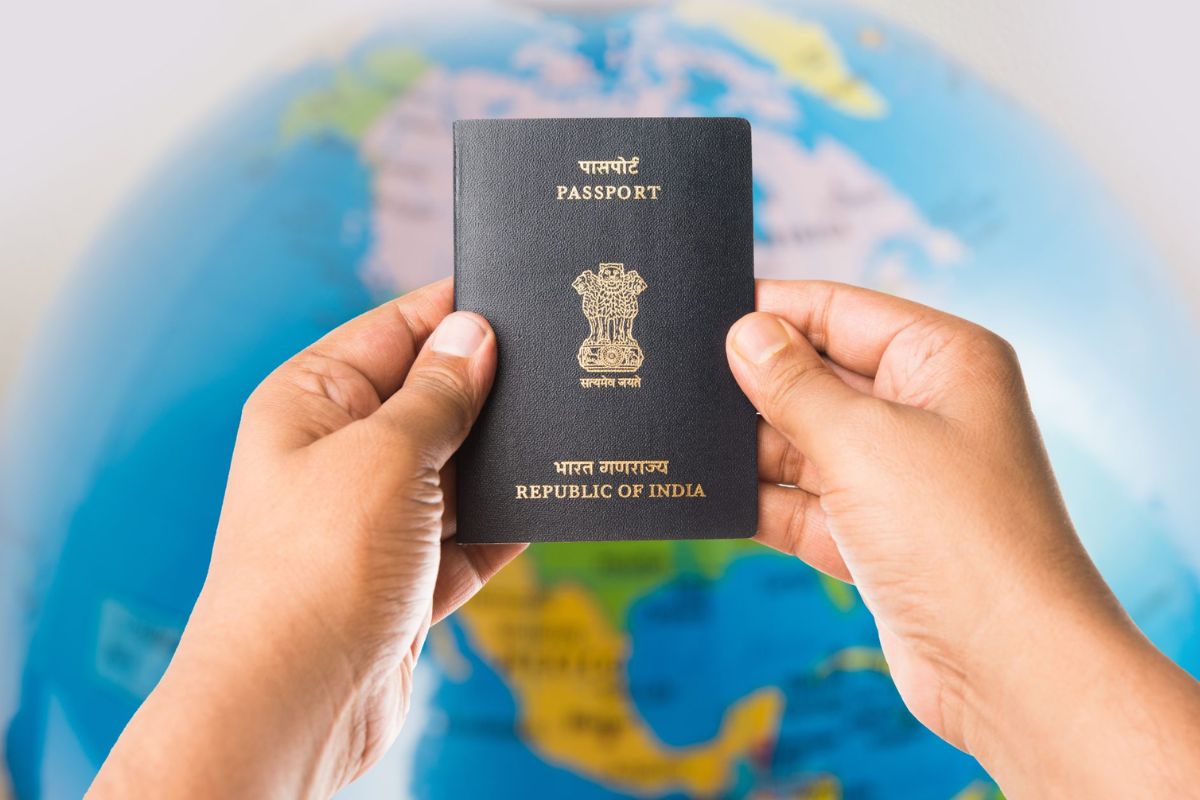
Starting from February 15, 2026, India is implementing updated passport regulations that will simplify document requirements, hasten police verifications, and transition the application process to a fully online format.
If you’re considering applying for a new passport or renewing your current one, this is essential information for you.
The Indian Government is set to implement significant changes to passport regulations starting on February 15, 2026. The objective is clear: minimal documentation, accelerated processing times, and enhanced safety checks.
Here’s what this entails for regular travellers.
Reduced Documentation, Increased Digitalization
For many years, applying for a passport in India has involved heaps of photocopied documents and numerous visits to a Passport Seva Kendra. This is now evolving. With the introduction of the new 2026 passport regulations:
- Aadhaar and other officially-issued identification will be acknowledged as primary evidence of identity and residency.
- The majority of documents can be uploaded online, decreasing the necessity for in-person submissions.
- The number of required supporting papers has been minimized.
- Applications lacking proper or complete uploads will face strict rejection.
This essentially means you need to verify everything before you hit submit. The process may be more straightforward, but it will also be less lenient.
Accelerated Police Verification
For a long time, police verification has been the sluggish component of the passport application procedure, sometimes extending to weeks.
The government is now aiming to digitize the internal coordination among departments to enable:
- Quicker background verifications, occasionally completed within days.
- Improved online information sharing among authorities.
- In certain cases, passport issuance may happen before the completion of physical police verification.
This latter aspect is crucial. Some applicants could potentially receive their passports ahead of the completed verification. Officials assure that security protocols will remain stringent regardless of the accelerated pace.
Entirely Online Application Procedure
The upgraded passport portal is pivotal to these reforms.
Starting in February 2026, applicants can look forward to:
- Completely online submission of forms.
- Digital uploads of necessary documents.
- Simplified appointment scheduling without intermediaries.
- Real-time application tracking and automated notifications.
This should make the procedure more transparent and predictable for frequent travellers.
Easier Regulations for Minors
Parents often encounter delays when applying for passports for their children. The new guidelines aim to mitigate that. Authorities will more readily accept:
- Electronic birth certificates.
- School ID cards.
- Streamlined parental consent forms.
This should eliminate excessive back-and-forth paperwork, particularly for first-time applications for child passports.
Increased Passport Centres Throughout India
Accessibility has been a concern, especially in smaller towns.
The government plans to enhance the number of passport centres in rural and semi-urban locations. This should cut down travel time for applicants who currently have to journey to major urban areas.
For numerous families, this alone could simplify the entire process.
India’s Secure Chip-Based e-Passport
Alongside these modifications, India has recently launched its new e-Passport, which features an embedded electronic chip that securely retains biometric and personal details. The chip-enhanced passport fortifies security, inhibits tampering, and quickens immigration checks. It is being rolled out gradually across Passport Seva Kendras throughout the country.
Steps to Take Now
- Ensure your Aadhaar and address information are current.
- Gather clear, accurate digital versions of your documents.
- Thoroughly review the official passport portal prior to submission.
- Do not rush incomplete applications.
The newly implemented passport regulations are structured to provide a balance between efficiency and security. However, as with any system changes, minor errors could lead to delays.
For routine international travellers, students, and professionals, this reform could translate to shorter processing times and fewer complications.
Just ensure you are well-prepared before proceeding with your application.
Fonte: Travelo Biz
