


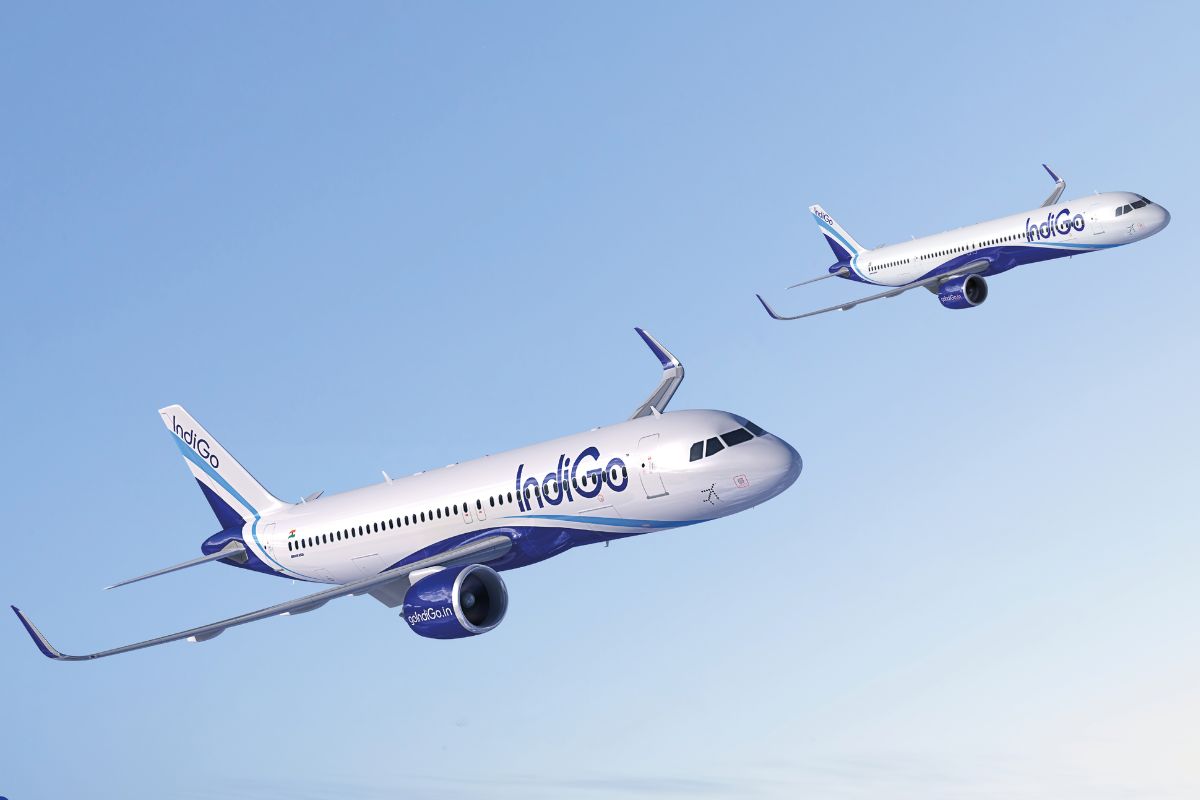
Due to persistent concerns regarding airspace safety around Iran, IndiGo has prolonged flight cancellations to four cities in Central Asia and the Caucasus until March 28. Meanwhile, Air India is boosting the frequency of flights and enhancing cabin services on significant international routes for the upcoming Summer 2026 season.
Those traveling internationally to Central Asia and the Caucasus may need to reconsider their plans.
IndiGo, which is the largest airline in India, has prolonged the suspension of flights to and from Tbilisi, Almaty, Baku, and Tashkent until March 28, 2026. Previously, these cancellations were only in effect until February 28.
This suspension is now extended by another month. The rationale is straightforward: the airspace surrounding Iran remains unpredictable, prompting airlines to exercise caution.
Reasons for Flight Suspensions
Both IndiGo and Air India have halted flights transiting through Iranian airspace.
There have been rising tensions between Iran and the United States lately. Airlines are steering clear of the area and opting for longer alternate flight paths instead.
Here’s what this means operationally:
- Increased durations for flights
- Elevated fuel expenses
- Greater strain on aircraft scheduling
- Reduced availability of larger aircraft
For IndiGo, this situation has directly impacted flights to:
- Tbilisi, Georgia
- Almaty, Kazakhstan
- Tashkent, Uzbekistan
- Baku, Azerbaijan
The airline emphasizes that the safety of passengers and crew is paramount and is keeping a close watch on evolving conditions.
Travel Advisory
Considering the ongoing developments in the region around Iran and its associated airspace, flights to/from Tbilisi, Almaty, Baku and Tashkent remain impacted.
The previously announced cancellations have been extended until 28th March 2026. The safety and…
— IndiGo (@IndiGo6E) February 16, 2026
Long-Haul Services Also Impacted
The airspace constraints are having repercussions beyond just Central Asia routes. Earlier this month, IndiGo revealed alterations to its long-haul flight schedule operated with leased Boeing 787-9 Dreamliners.
Here’s what has changed:
- Copenhagen flights halted from February 17
- Reduced frequency on Delhi–London Heathrow
- Limited flights on Delhi–Manchester
The airline has stated that ever-evolving airspace regulations and congestion at airports have extended overall flight durations. This has complicated the management of its limited fleet of six wide-body aircraft.
As flight times increase, aircraft rotations tighten. This creates scheduling challenges, particularly on extended routes.
Advice for Travellers
- Regularly verify your flight status
- Explore refund or rescheduling possibilities
- Consider alternative hubs if travel is urgent
- Hold off on last-minute visa applications until your travel plans are firm
For travelers and frequent flyers, this serves as a reminder of how swiftly geopolitical tensions can impact aviation.
Air India Expands International Flights for Summer 2026
Whilst IndiGo is cutting back on certain services, Air India is heading in the opposite direction on essential long-haul routes. As part of its Northern Summer 2026 program, the airline will be increasing frequencies and modernizing aircraft across several international routes.
Increased Flights from Delhi to Toronto, Seoul and Shanghai
Here’s what’s changing:
- Delhi–Toronto: Rising from 7 to 10 flights per week commencing March 1
- Delhi–Seoul (Incheon): Increasing from 5 to 6 flights weekly starting from March 29
- Delhi–Shanghai: Growing from 4 to 5 flights per week
This adds more than 2,000 new seats each month on these routes.
For travelers, this translates to:
- Enhanced availability
- Greater flexibility in travel dates
- Possibly more competitive fares
Introduction of Premium Economy on Delhi–Tokyo Route
As of February 14, the Delhi–Tokyo (Haneda) route has been upgraded to feature a three-class layout on Boeing 787-9 aircraft. This includes:
- Business Class
- Premium Economy
- Economy
This enhancement brings over 2,400 additional seats available each month between Delhi and Tokyo.
Premium economy is becoming a favored middle-ground option for long-haul travelers who desire more comfort without incurring business class costs.
The Bigger Picture for Travelers
This situation demonstrates that airspace volatility around Iran is altering flight patterns throughout Asia and Europe. Some routes are diminishing while others are expanding.
Airlines are rapidly adapting. For travelers, being flexible is more critical than ever.
Before scheduling long-haul flights in 2026:
- Verify flight routing
- Stay informed on geopolitical movements
- Allow extra time between connecting flights
- Ensure travel insurance is active
Flight timetables can shift rapidly. Keeping up to date is vital to effective travel planning.
Fonte: Travelo Biz