


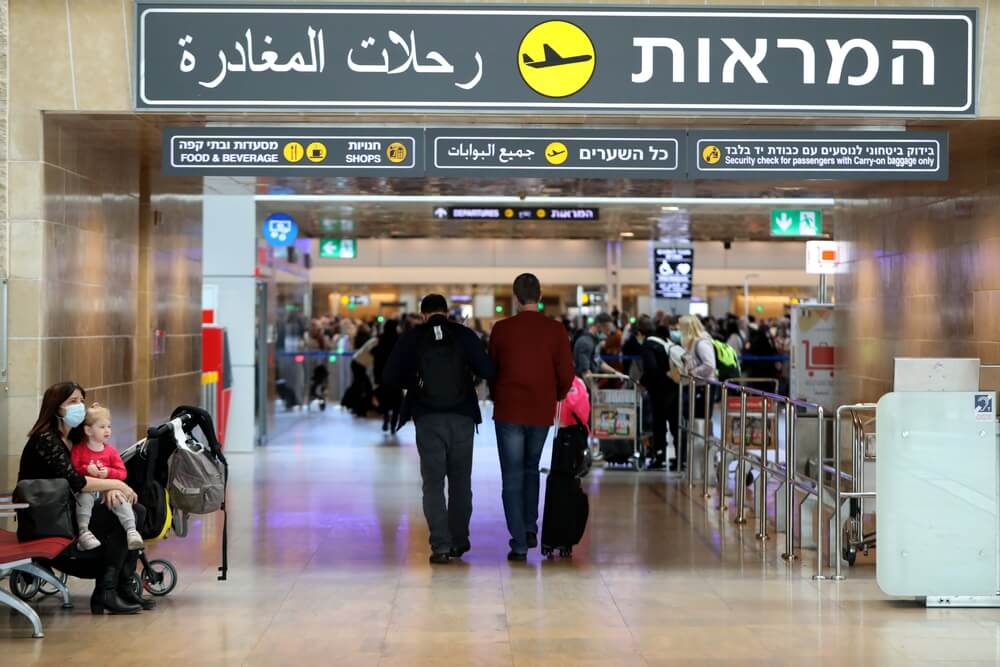
Once more, the United States finds itself engaged in a military conflict, and currently, it’s primarily centered in the Middle East. The repercussions for travel advisors are evident, as I will elaborate on later, although implementation can be fraught with peril due to the often inconsistent and swiftly altering information and options.
Nonetheless, travel advisors hold the duty to assist their clients, especially those facing potential physical danger due to armed conflict. These responsibilities extend beyond just corporate travelers who are subjected to “duty of care.”
While the conflict imposes both physical and psychological threats to those in the impacted regions, this situation also provides travel advisors a chance to highlight the advantages of utilizing their services for travelers.
Even so, I once again advise those assisting travelers to acknowledge that updates regarding the conflict and its impact on travel can change on a moment-to-moment basis, quite literally. Hence, when advising clients located in war-affected areas, one must be exceedingly precise about which pieces of information are credible and how they might evolve. Many clients within the conflict zone will likely be desperate to escape, experiencing fear that is difficult to fully grasp from a secure location in the United States.
Duties of Travel Advisors & Available Resources
The primary concern is: which resources can be relied upon for trustworthy and actionable information?
Some information can be retrieved from the U.S. State Department’s websites. The State Department has released the following advisories:
Global Caution In light of the initiation of U.S. military operations in Iran, Americans globally, particularly those in the Middle East, should adhere to the guidance found in the latest security alerts issued by the closest U.S. embassy or consulate. Americans Abroad: Register at https://step.state.gov to receive the most recent security updates from your nearby U.S. embassy or consulate. Those in need of consular support can reach out at any hour at +1-202-501-4444 (from outside the U.S.) and 1-888-407-4747 (from within the U.S. and Canada).
Additionally, the State Department has opted to issue its “depart now” advisory for 14 countries in the Middle East via the X platform. Similar recommendations have been shared on Facebook and likely other platforms, though such guidance presumes that internet and phone services remain operational in the war-impacted regions.
The State Department’s message conveys:
All Americans abroad, especially those situated in the Middle East, should register for the Smart Traveler Enrollment Program (STEP) at step.state.gov in order to receive timely messages and updates from your nearest U.S. Embassy or Consulate.
U.S. citizens overseas are encouraged to subscribe to our “Security Updates for U.S. Citizens” channel on WhatsApp and follow @TravelGov on social platforms. The latest alerts are also available at travel.state.gov.
Individuals in the Middle East can contact the Department of State any time, day or night, by calling 1-202-501-4444.
Curiously, in my perspective, the State Department reportedly upgraded the travel advisory for some of the countries in the conflict zone to only Level 3: Reconsider Travel.
Egypt was maintained at Level 2, yet certain regions within the country were elevated to Level 4: Northern and Middle Sinai Peninsula, Western Desert, and Border Areas of Egypt. This highlights the challenge in obtaining usable information under war conditions.
Travel advisors should also promptly contact the travel insurance provider that clients hopefully obtained to ascertain what measures are being implemented to aid clients attempting to exit the conflict zone. Consortia can also serve as a valuable information source, specifically regarding suppliers with existing contracts.
Evidently, airlines and cruise lines represent another critical source of information, while acknowledging that their statements may shift instantaneously. A large number of commercial flights are being canceled, making it necessary to coordinate alternate arrangements for affected clients. CNN has presented an intriguing article discussing many of the challenges involved in reinstating flight operations amidst significant disruptions.
Options Beyond Exiting the Combat Zone
There may be instances where, contrary to the State Department’s general recommendation to “depart immediately,” it could be safer for clients to remain sheltered within the war zone for a duration. This can be a challenging choice to make, and such advice might be vehemently opposed by travelers fearing the repercussions of remaining in an active war area. The best approach for a travel advisor in such situations is to deliver all available information as clearly as possible, with suitable warnings regarding reliability, and allow the traveler to decide on their course of action.
Conclusion
Surely every travel advisor endeavors to serve their clients well. I have aimed to stress the uncertainties inherent in providing guidance and making arrangements given the current conditions in the Middle East.
My ultimate recommendations are: (1) gather as much information as you can in a timely manner, (2) communicate openly with your clients about what you know, what you believe might be the case but aren’t certain about, (3) the risks and uncertainties associated with any specific action, and (4) encourage the client to make decisions for themselves. Document the advice given, the rationale behind it, and the decisions made by the client whenever feasible.
The most challenging situation arises when a distressed client demands, “tell me what I should do.” This will necessitate considerable diplomatic effort on your part, as the client often experiences memory loss regarding who communicated what later. Thus, I urge you to keep a record of all conversations and the reasoning behind them.
Moving forward, you should consistently recommend travel insurance for clients, especially for international journeys. Even if this conflict concludes tomorrow, the ensuing instability will persist for a significant time across various markets.
Fonte: Travel Market Report
