


“`html
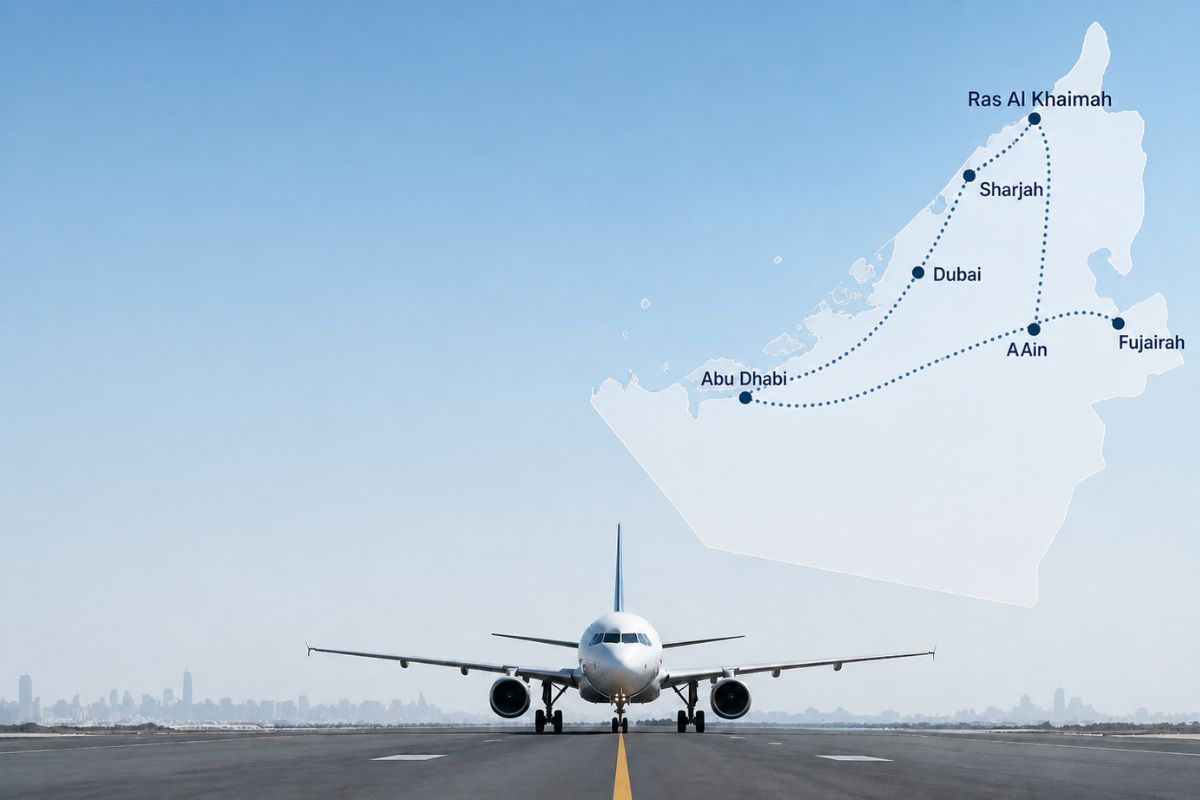
Due to heightened security concerns, the UAE has imposed airspace restrictions for a week. Operations are now conducted through limited flight corridors, leading to anticipated delays and reroutes.
Just one day after the GCAA declared the UAE airspace to be fully operational, normal flight activities have resumed. However, temporary restrictions on airspace are once again in effect from May 4 to May 11 due to drone incursions.
While flight operations haven’t completely halted, mobility is heavily regulated. Below is the current situation and implications for those traveling in the vicinity.
What Changes Have Been Implemented?
As per the official aviation Notice to Airmen (NOTAM A1722/26), certain segments of the UAE’s airspace are now restricted.
- Access is granted only to predetermined flight corridors
- Aircraft are required to adhere to pre-approved pathways and waypoints
- Entry into the Emirates Flight Information Region is restricted
✈️ UAE has partially closed its airspace for one week (May 4–11). NOTAM A1722/26 confirms Emirates FIR restrictions, with commercial flights limited to narrow corridors via specific waypoints. pic.twitter.com/KsbIUn1KaQ
— travelobiz (@travelobiz) May 5, 2026
In essence, flights are still allowed, but options for routing have diminished.
Airports and Routes Impacted
The NOTAM provides a detailed account of which airports are accepting arrivals and the precise paths that aircraft must use to safely enter airspace in the UAE.
Permitted Arrivals to:
- OMAA (Abu Dhabi)
- OMAL (Al Ain)
- OMAD (Al Bateen)
Via waypoints: ITRAX, SODEX, TANSU, PEKEM
Permitted Arrivals to:
- OMDB (Dubai International)
- OMDW (Al Maktoum International)
- OMSJ (Sharjah)
- OMRK (Ras Al Khaimah)
Via waypoints: TAPRA, PASOV, MUSAP, TANSU, PEKEM
Permitted Arrivals to:
- OMFJ (Fujairah)
Via waypoints: MENSA, TANSU, PEKEM
Crucial Information
- Only the designated routes are permitted for entry into UAE airspace
- Flights must strictly comply with these designated corridors
- Additional control measures regarding air traffic may be enforced
In summary, aircraft can still arrive in the UAE, but only through established “entry gates” in the sky.
Why has the UAE Imposed Airspace Restrictions?
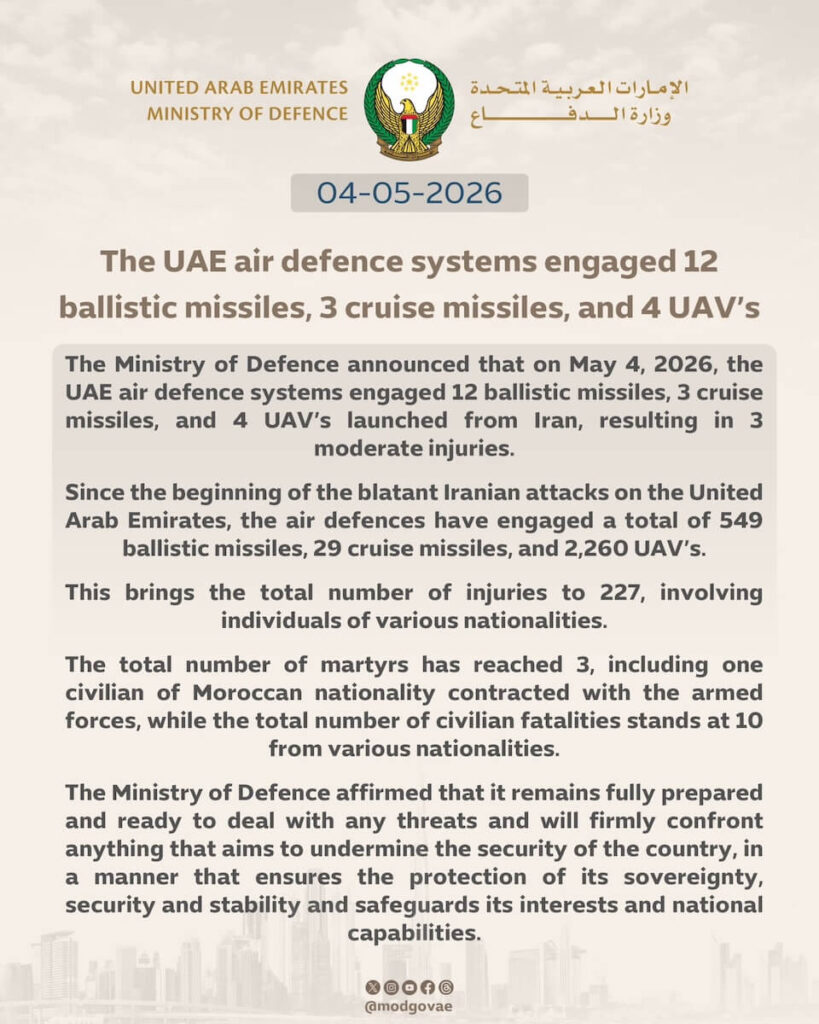
This action was taken following a critical security incident on May 4. The UAE Ministry of Defence confirmed the interception of:
- 12 ballistic missiles
- 3 cruise missiles
- 4 drones (UAVs)
These assaults, reportedly initiated by Iran, posed a significant risk to aviation safety even though air defenses successfully neutralized the majority of the threats.
In response, authorities swiftly implemented measures to safeguard civilian aircraft. By restricting airspace, they aim to ensure that flights circumvent sensitive or potentially hazardous areas.
What This Entails for Travelers
- Delays and Rerouting: Flights might take extended routes, leading to increased travel duration.
- Altered Schedules: Airlines could modify flight departure or arrival times based on the available corridors.
- Cancellations Possible: Some flights may be canceled due to operational limitations.
- Transit Interruptions: If connecting through key hubs like Dubai or Abu Dhabi, ensure additional buffer time.
Emirates Expands Global Operations
Emirates has reinstated 96% of its international network, with flights being operated to 137 destinations in 72 nations, progressively reestablishing global travel via its Dubai hub.
✈️ Emirates says it has restored 96% of its global network. Now flying to 137 destinations across 72 countries, reconnecting the world via Dubai 🌍 pic.twitter.com/YowSLbH8vt
— travelobiz (@travelobiz) May 5, 2026
What Actions Should You Take Now?
If you have future travel arrangements:
- Regularly verify your flight status
- Maintain communication with your airline
- Plan to arrive at the airport ahead of time
- Have your travel insurance easily accessible
Anticipate minor delays. Being well-prepared will facilitate a smoother experience.
Concluding Remarks
The UAE has not entirely closed its airspace. Instead, it is carefully managing air traffic while continuing operations. This kind of partial restriction prioritizes safety, allowing flights to proceed while minimizing exposure to risks during this sensitive time.

Manish Khandelwal
Articles: 8155
“`
Fonte: Travelo Biz
